Your story,
our craft.
An atelier for AI comics. Describe your story. Pick a style. Get finished pages — printed pages or vertical scroll — with characters that stay recognizable across every panel of every page. Nothing else.
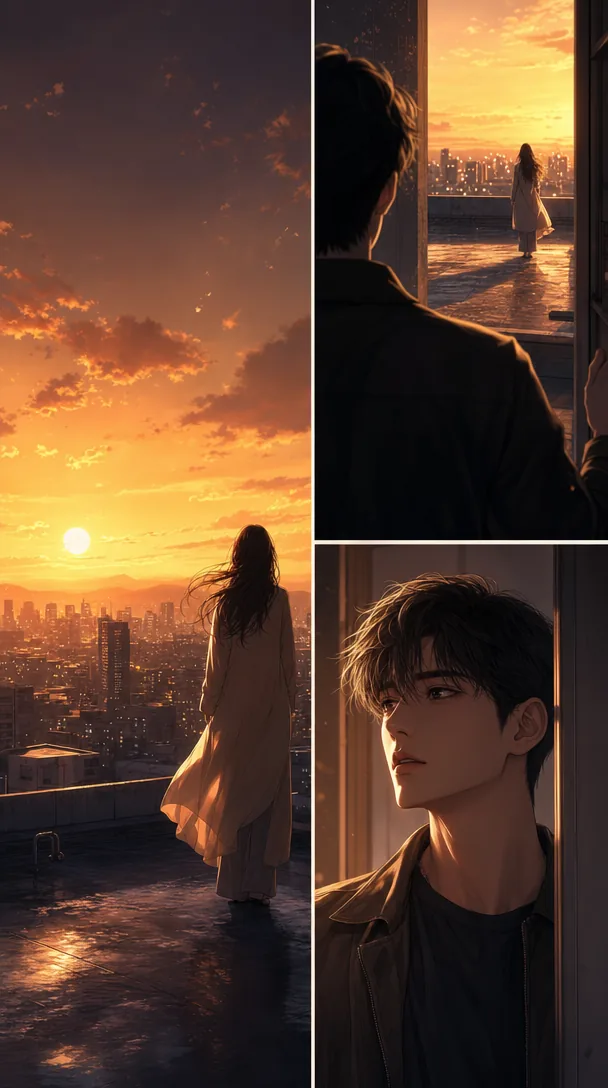
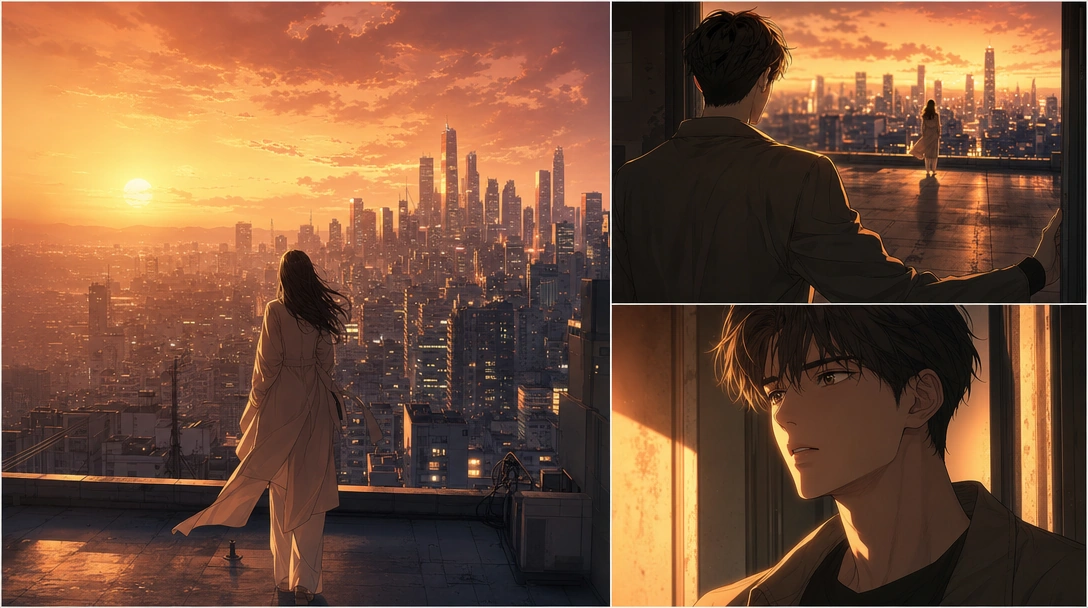
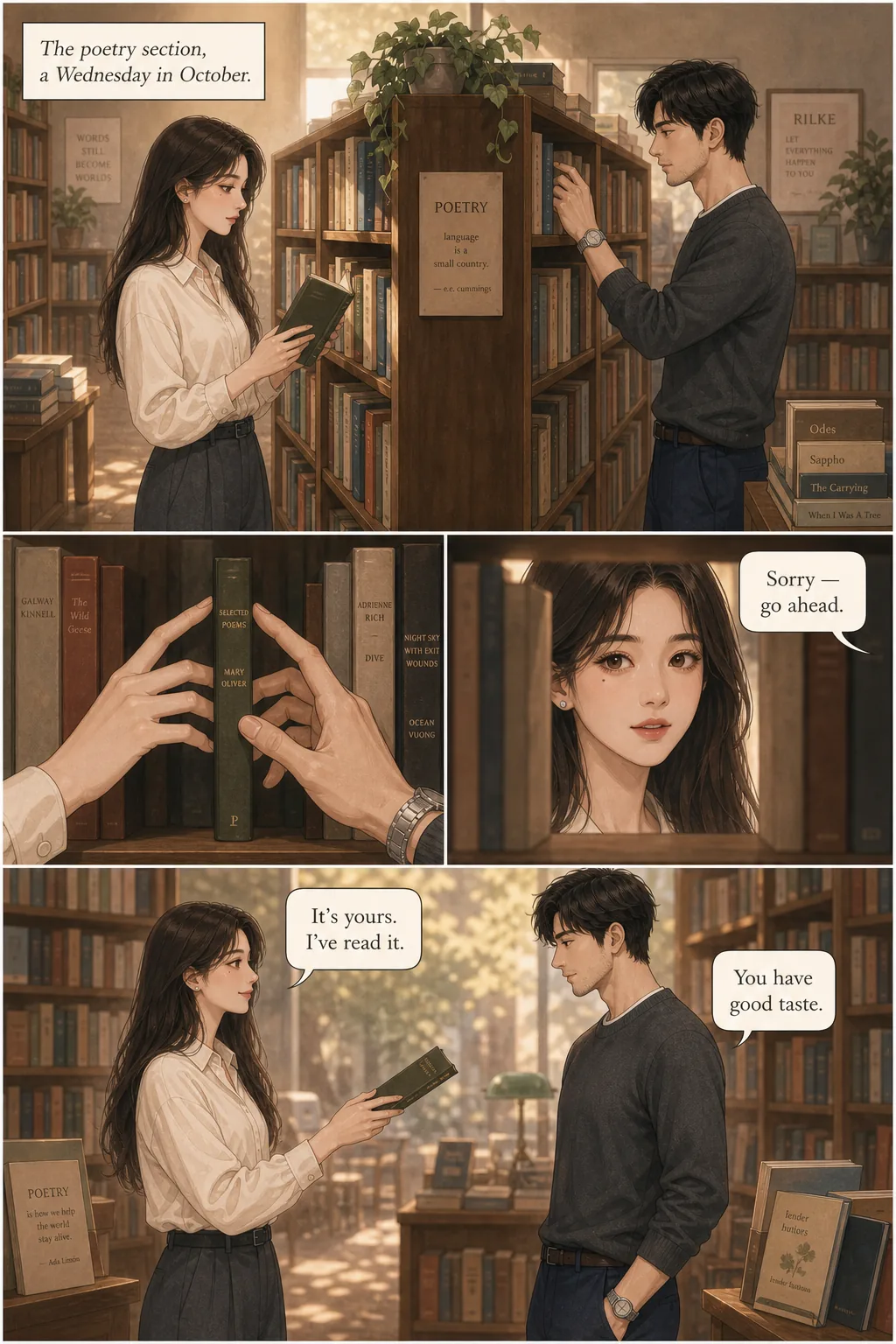
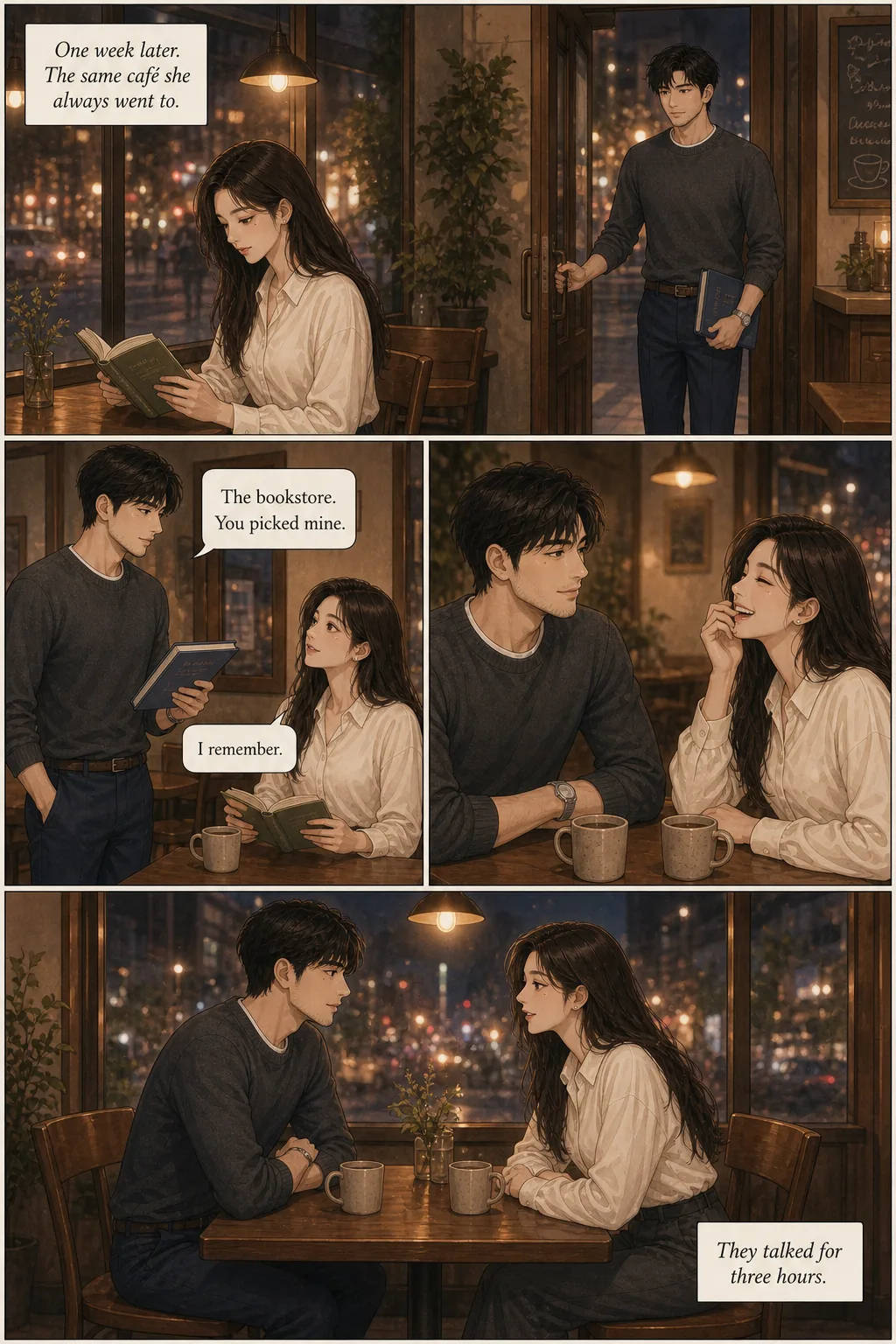
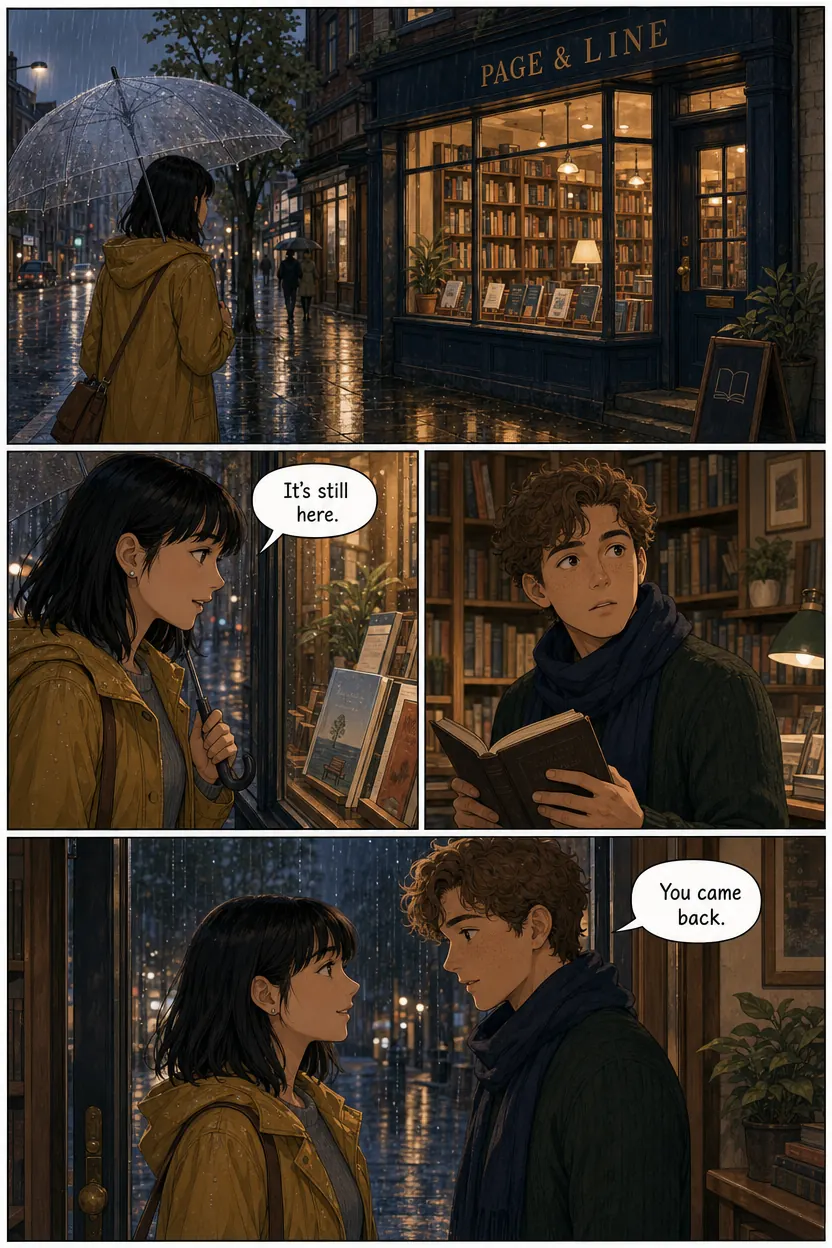
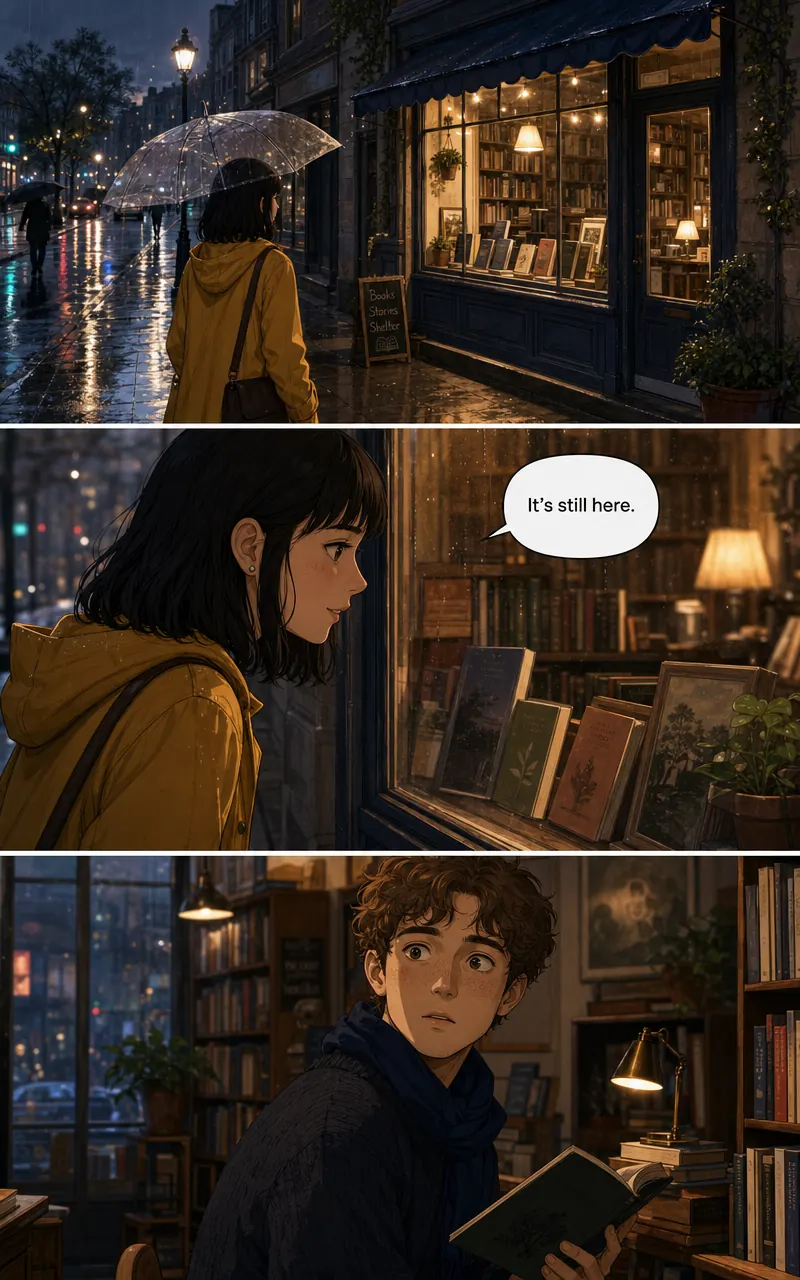
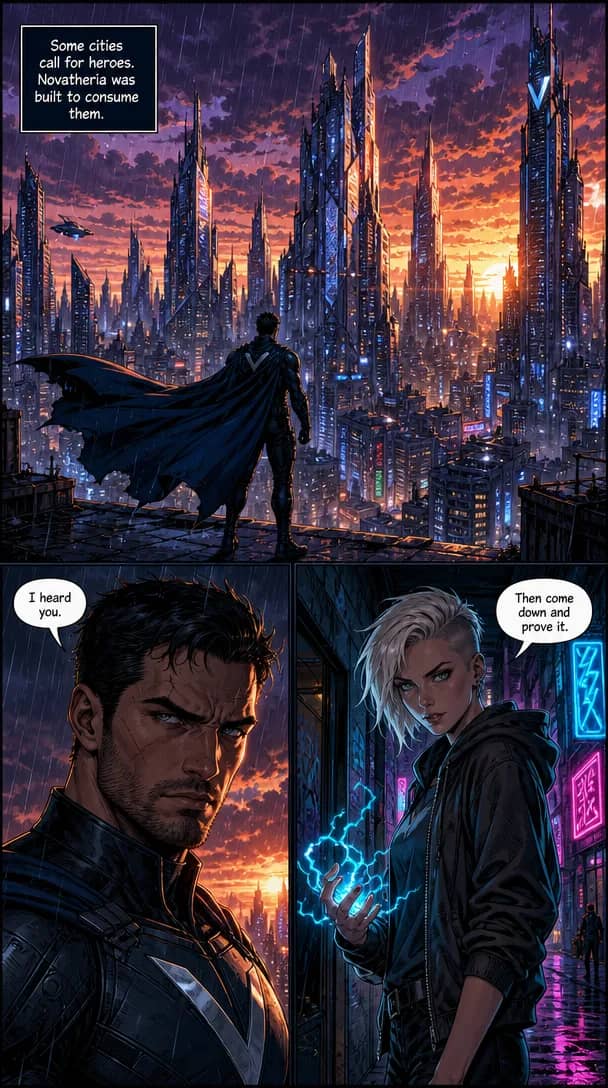
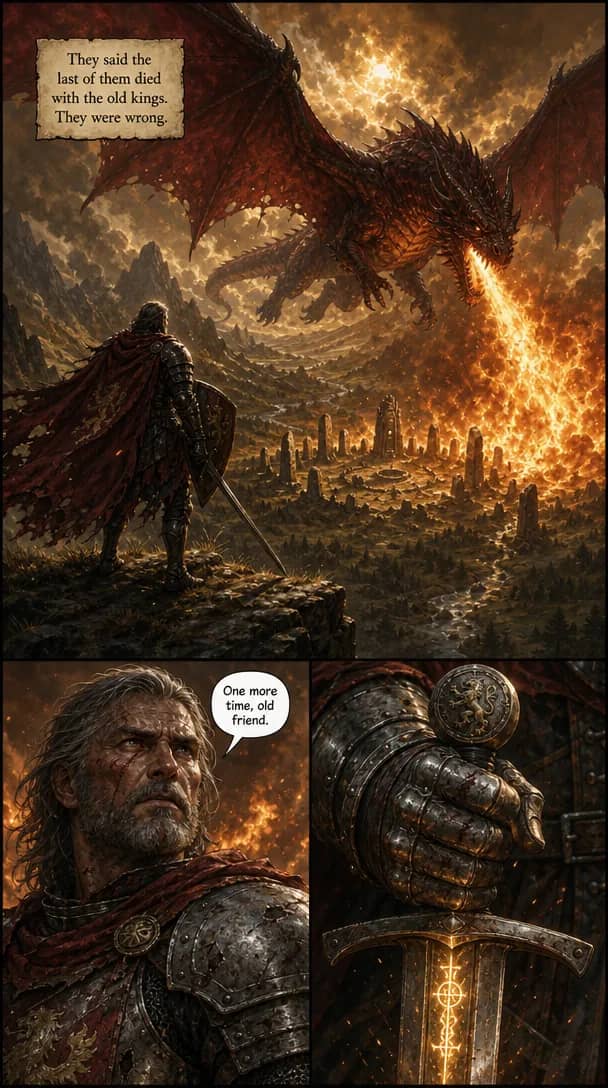
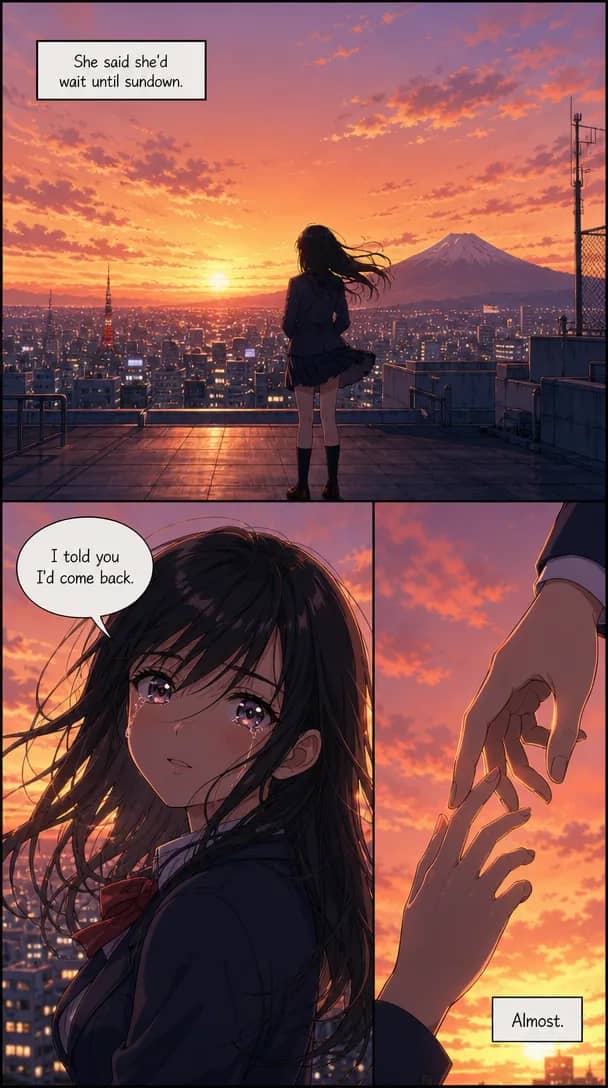
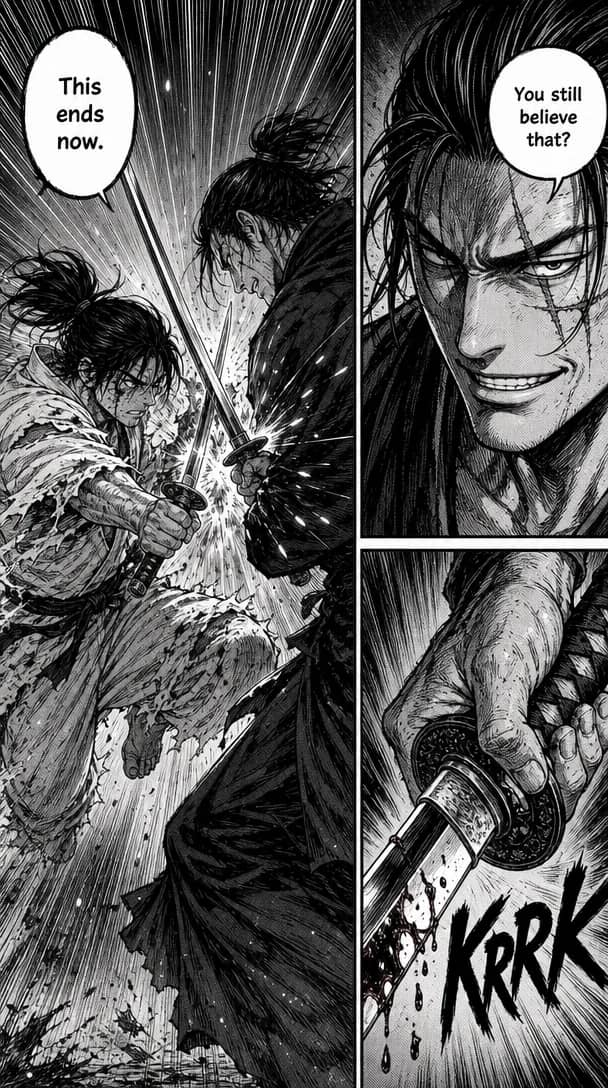
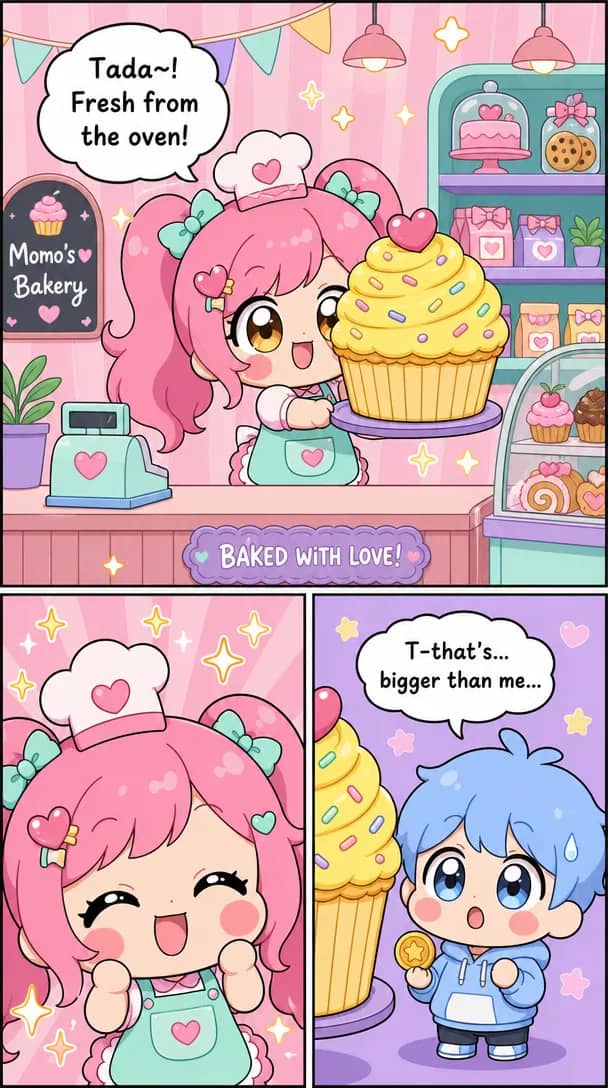
Same two characters. Four panels. Four settings. Recognizable across the whole story. This is what a comic-specific tool is for.
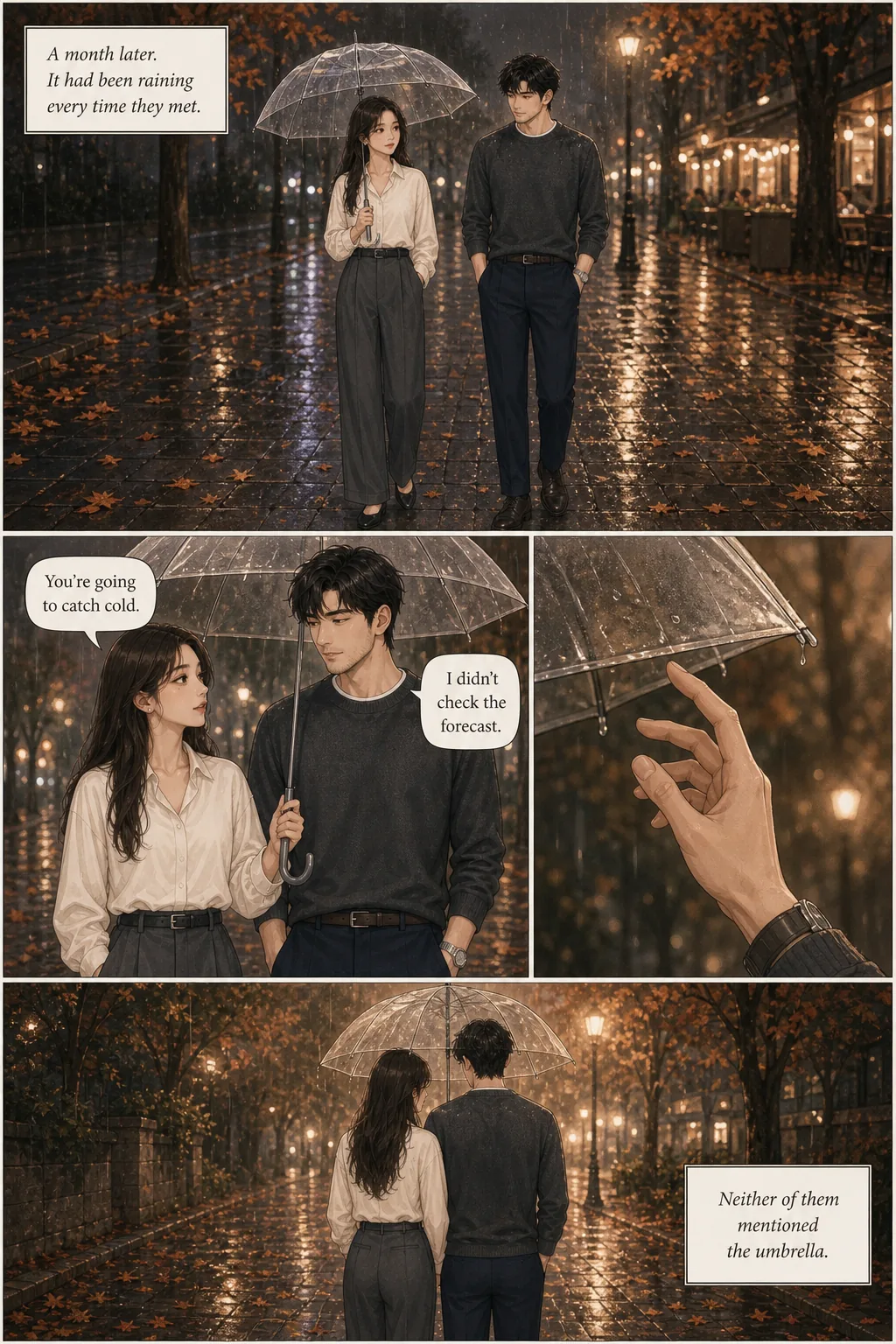
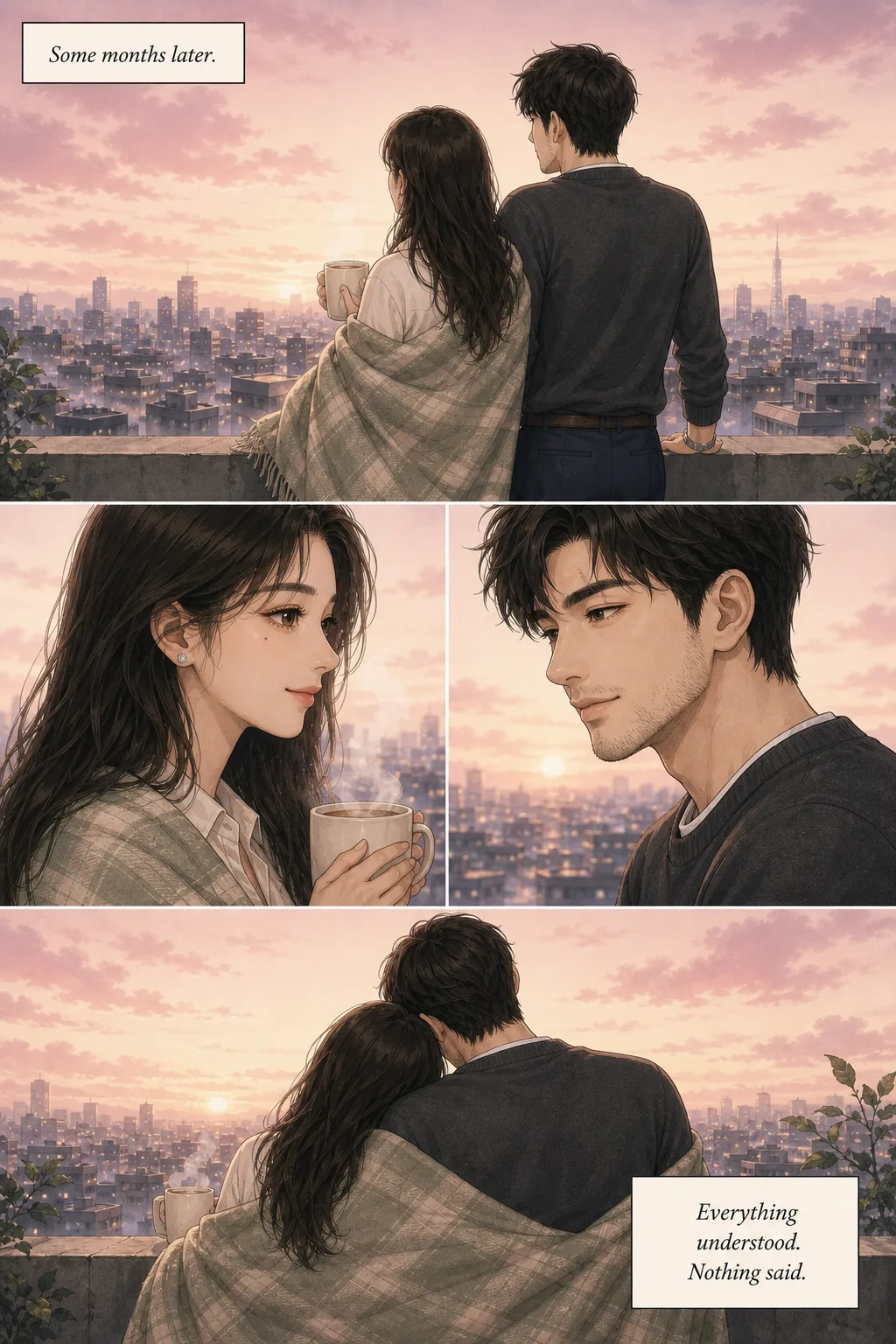
Most AI image tools produce beautiful one-off pictures. Try to make a comic and your character's face changes every panel. We built a comic tool because a comic needs one.
Two page shapes. A comic page is 1664 × 2496 pixels — a 2:3 ratio, the same proportion as the inner frame of a printed manga page. A webtoon is built from 800 × 1280 units that stack into one vertical strip with no gutter between them, which is what WEBTOON Canvas and Tapas expect. You pick the shape before you write; it is page geometry, not a filter.
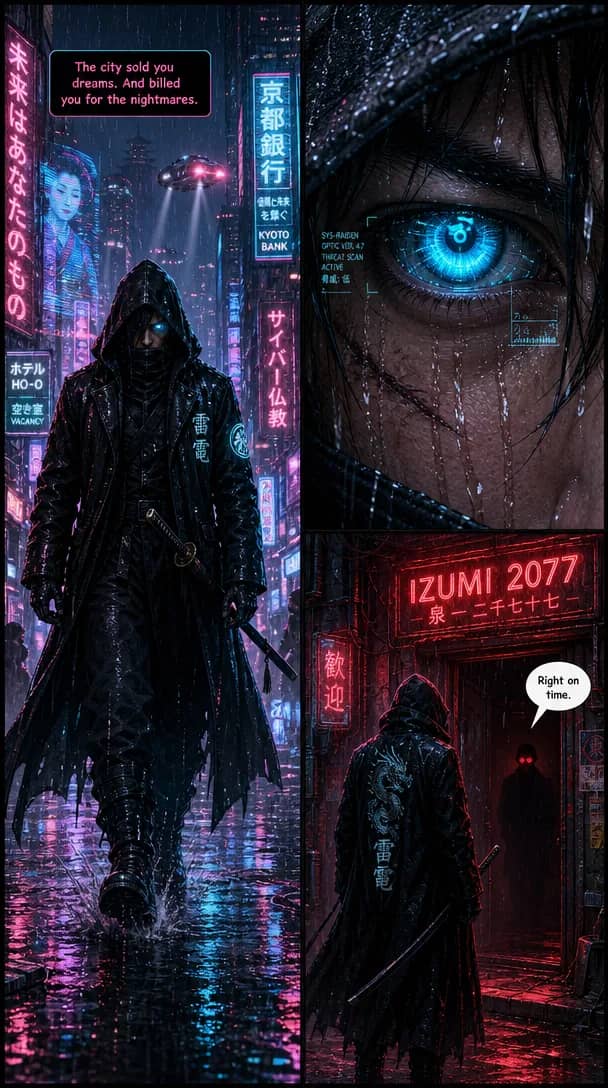
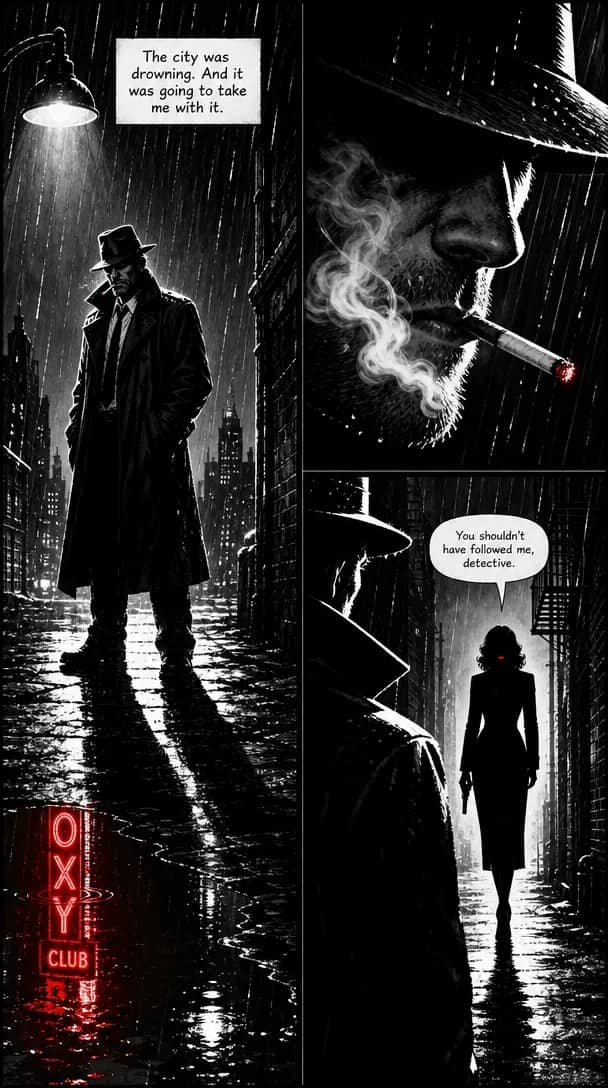
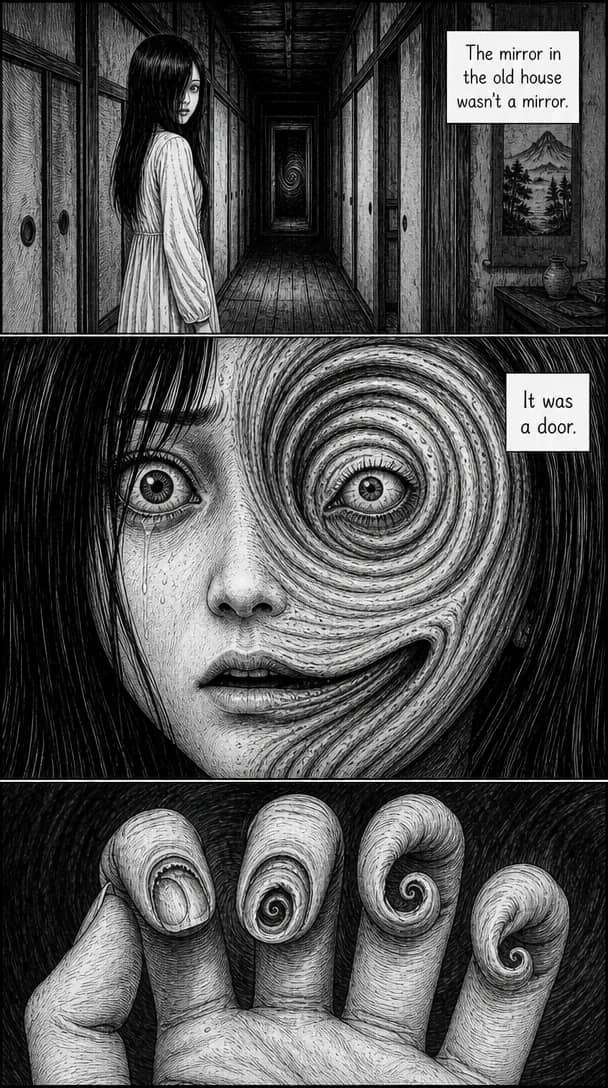
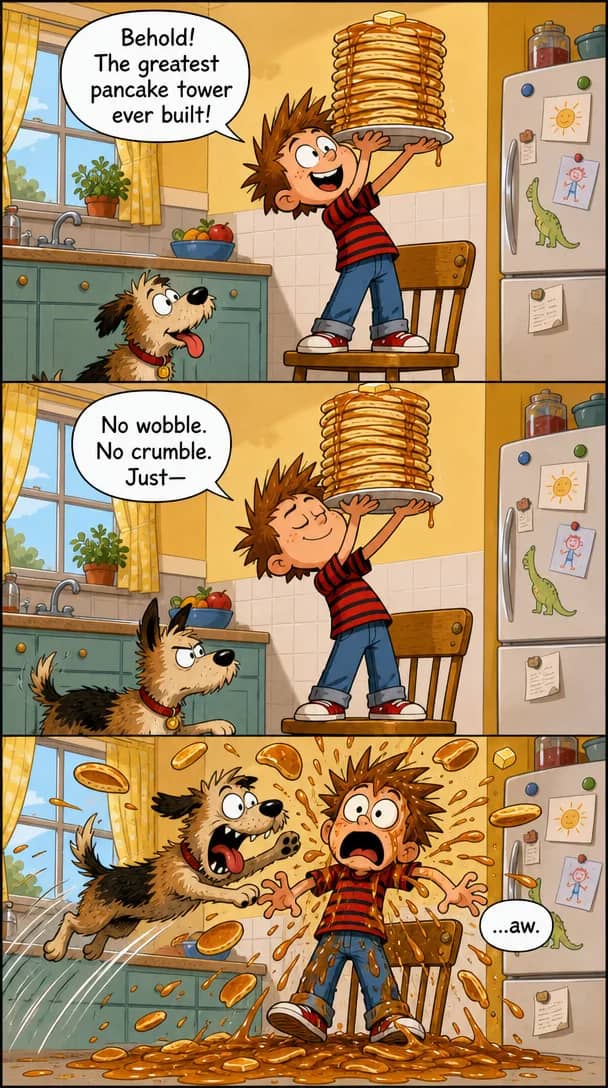
Nineteen styles, from black-and-white manga with screentone through painted fantasy, cyberpunk sci-fi, 1940s noir and flat-colour cartoon. Style and format are separate choices — noir renders on a printed page or a vertical scroll equally.
Dialogue in thirty-four languages, lettered into the speech bubbles as the page is drawn rather than translated and pasted over the art afterwards. The bubble is sized for the script it holds.
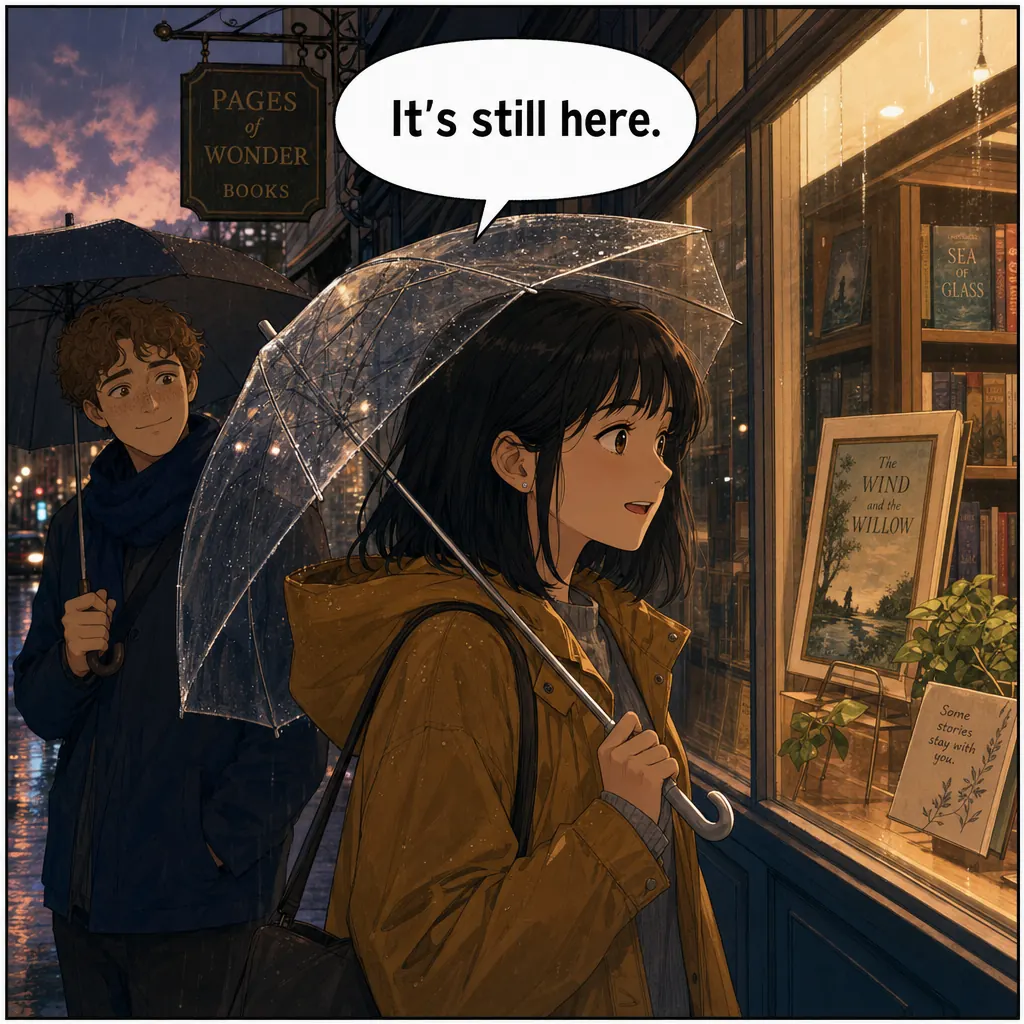
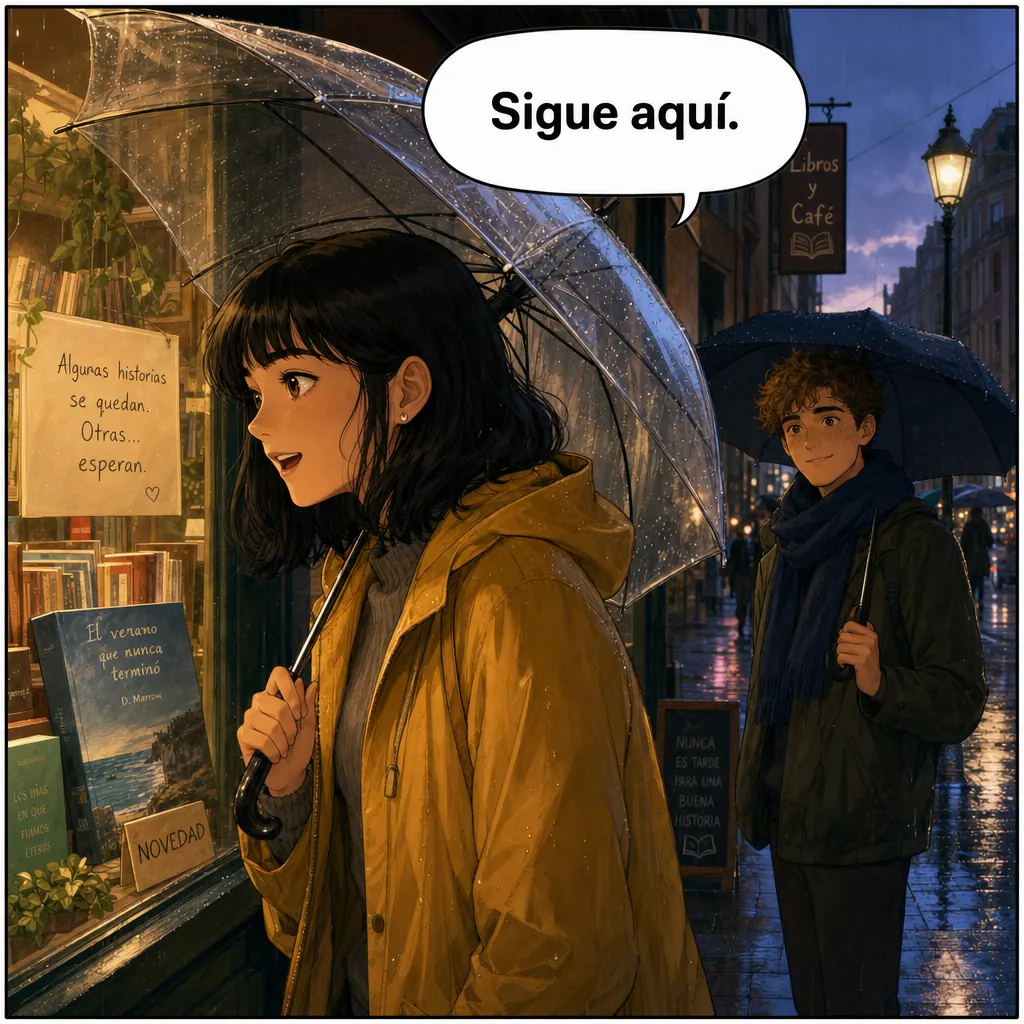
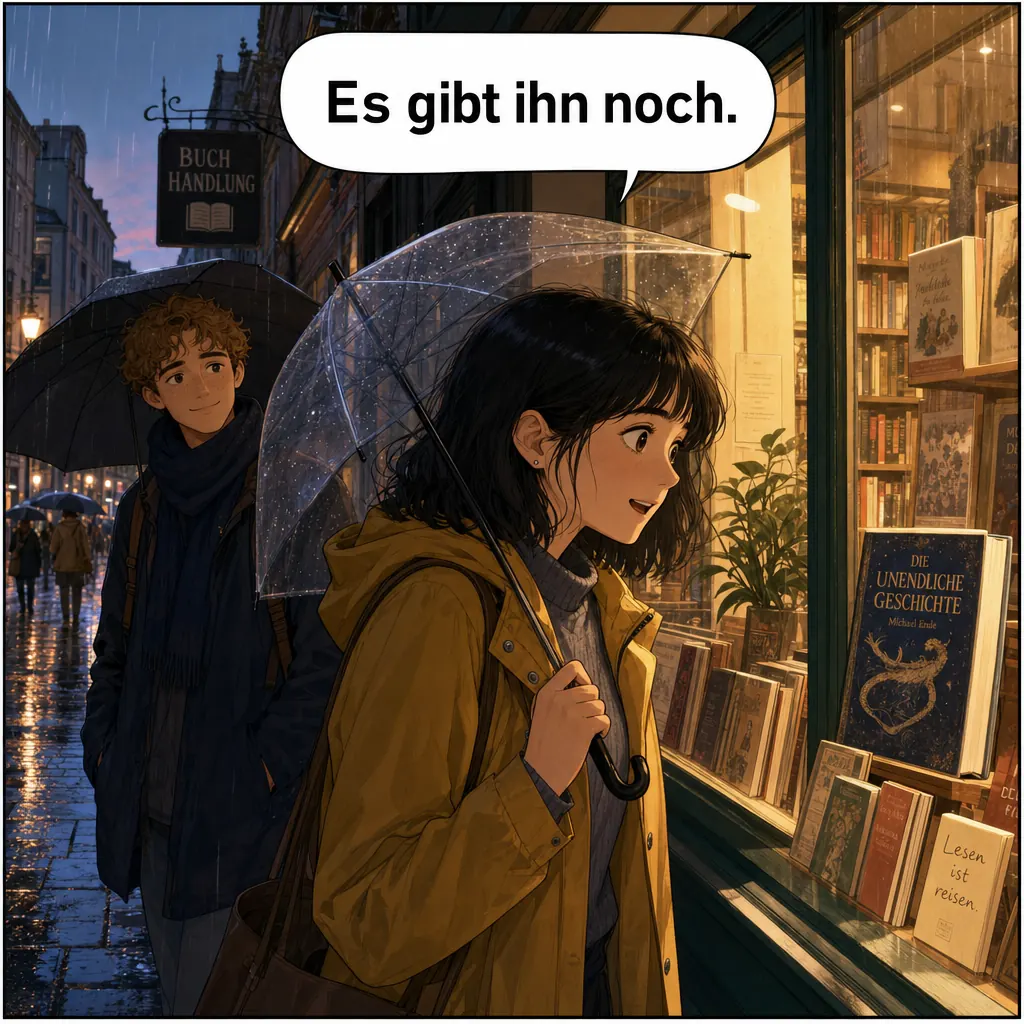
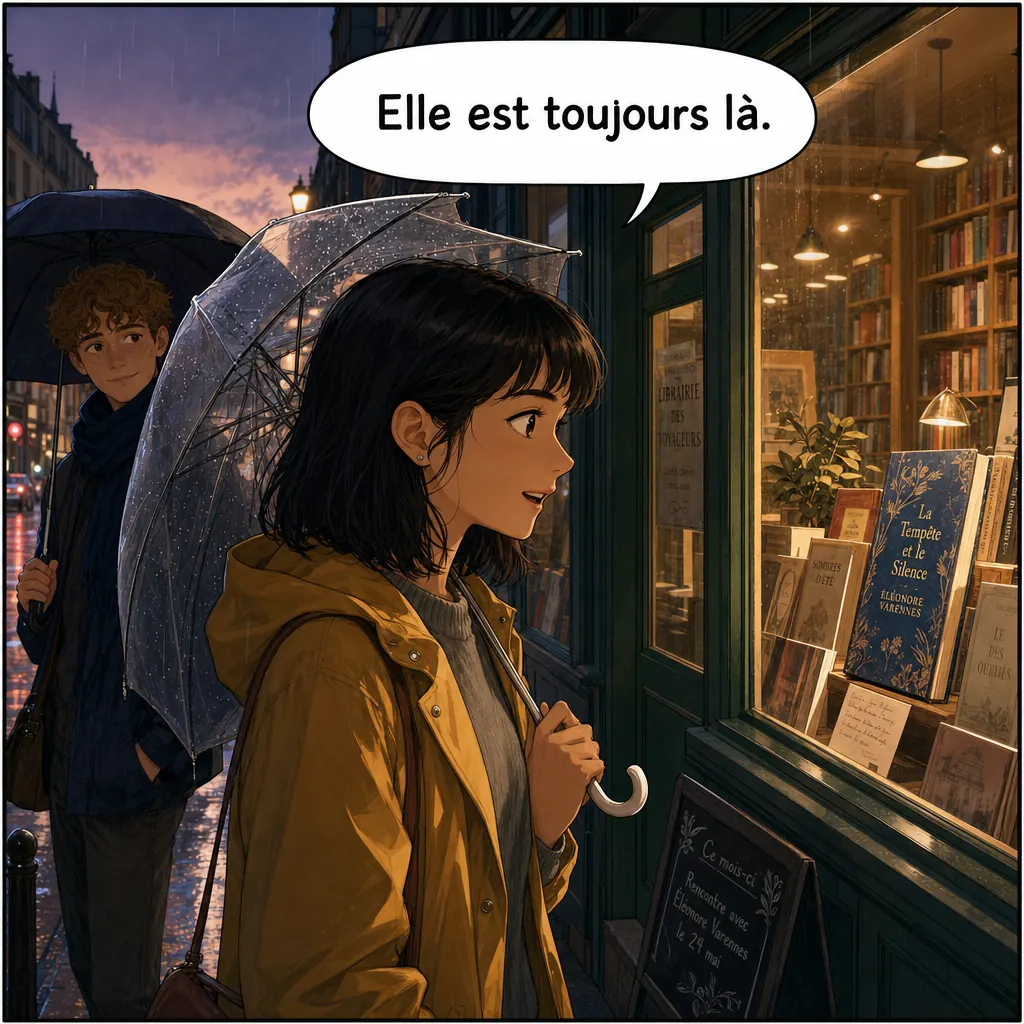
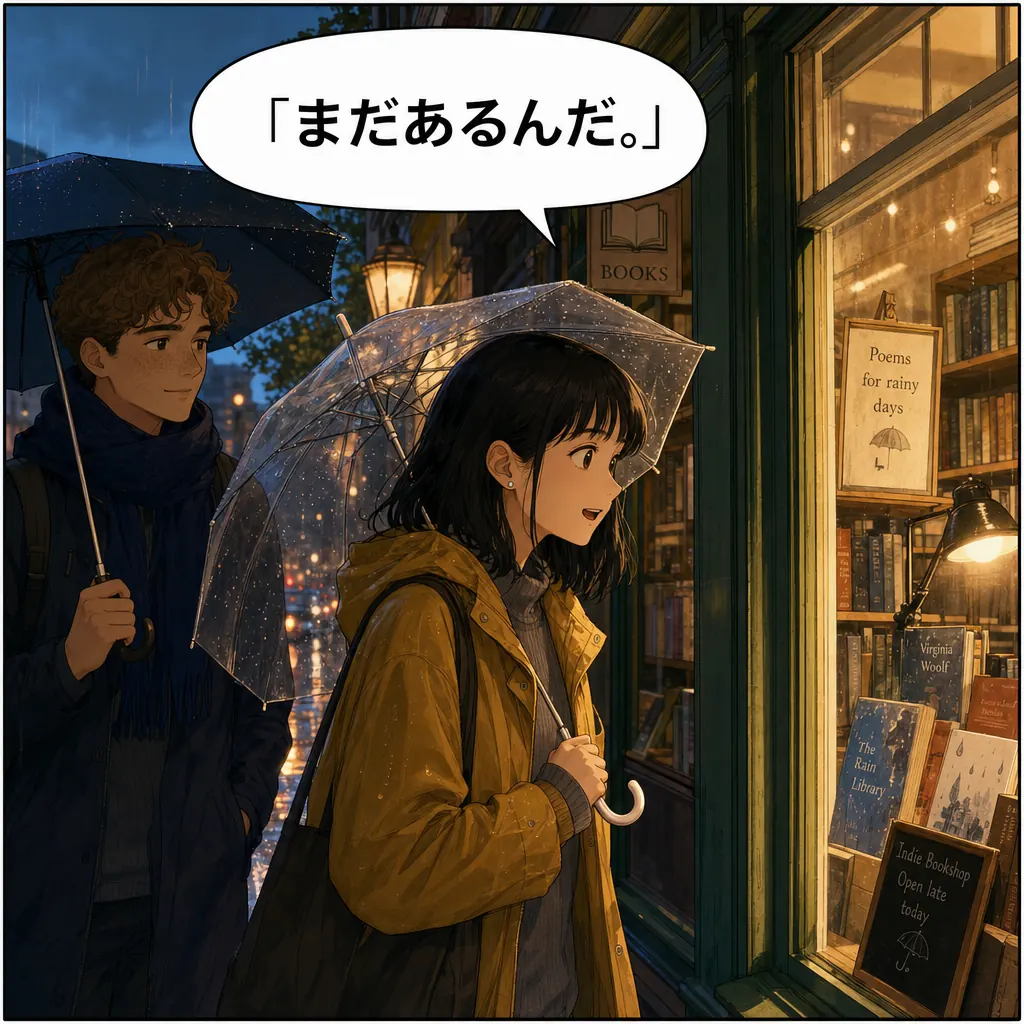
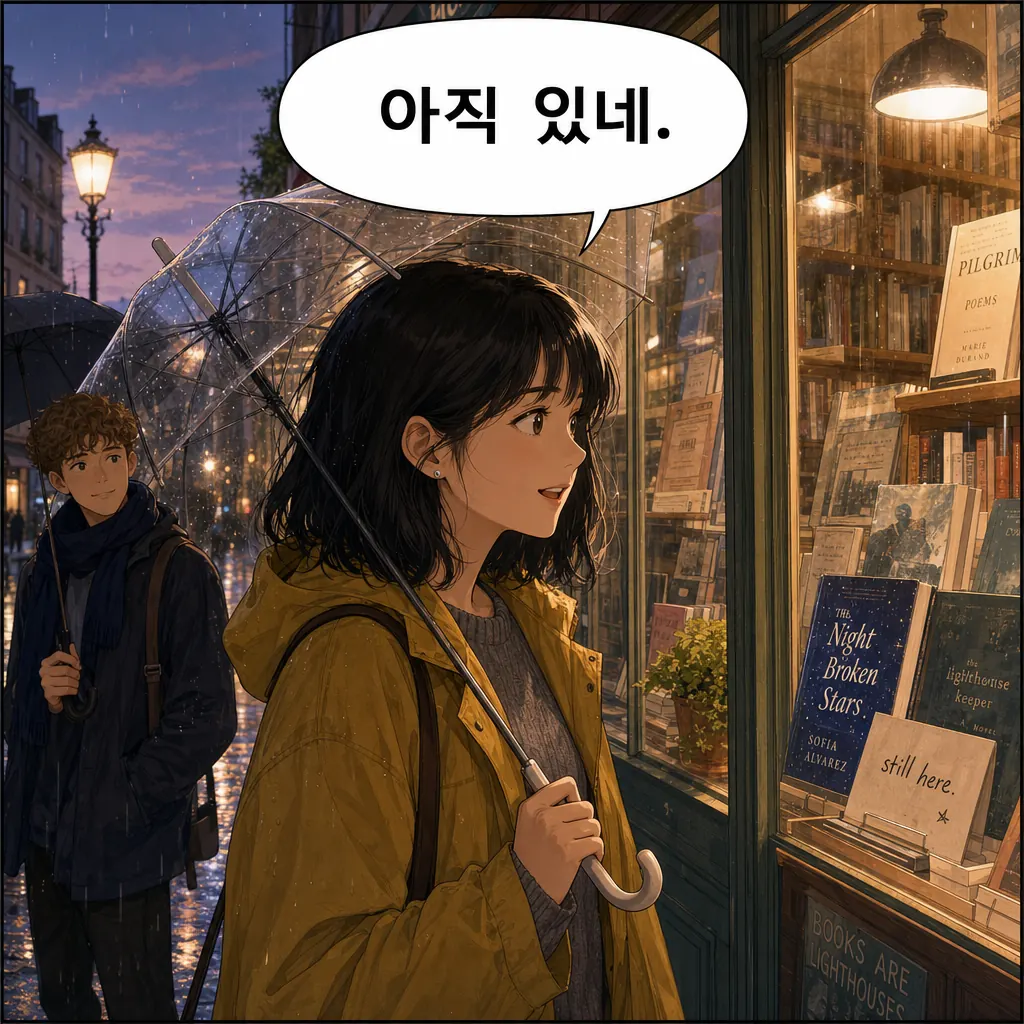
Up to six named characters in a story, each with their own reference sheet, and up to 400 pages — long enough for a serialised run rather than a one-off strip.
If a page comes out wrong, you can redraw it for 100 coins — either rerolling the same beat for a fresh image, or giving an instruction and having the beat itself rewritten. The last three versions of every page are kept, so you can go back to one you preferred.

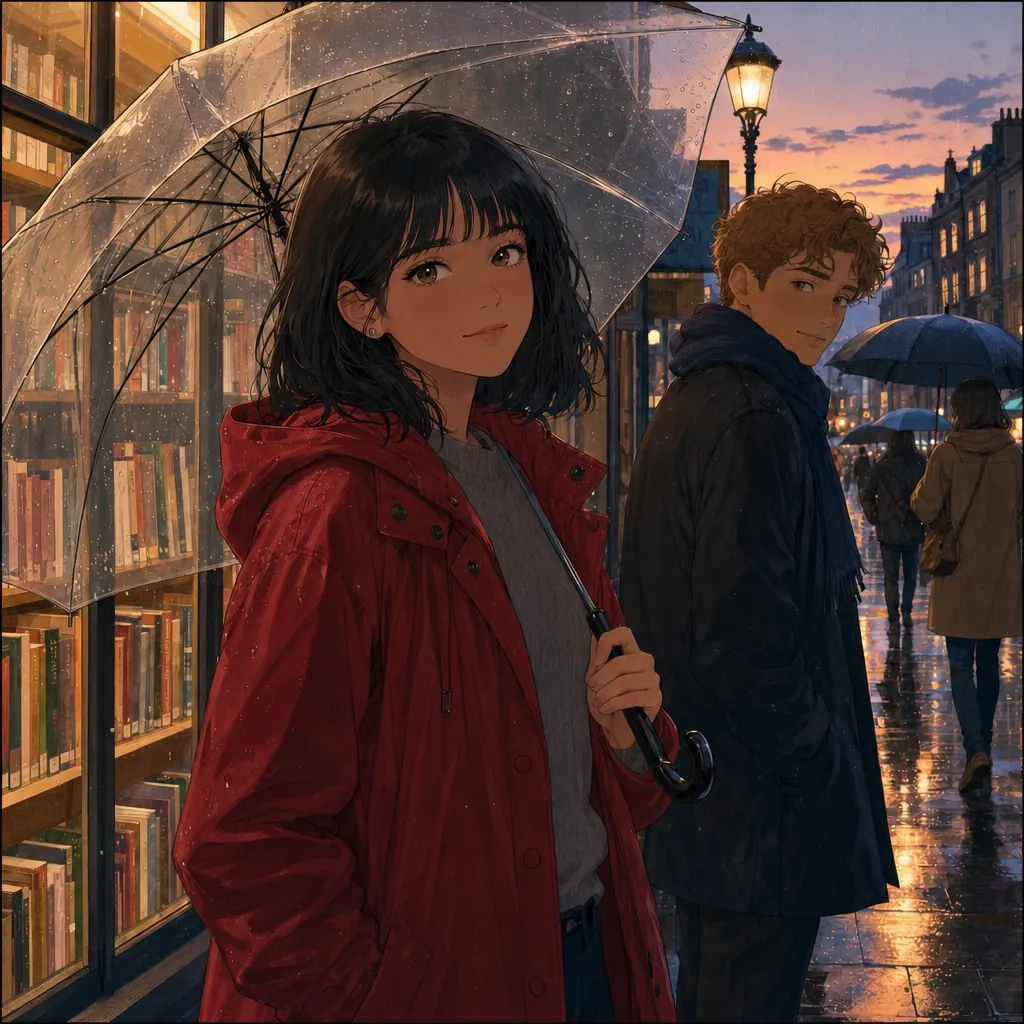
It is a picture. Before any page is drawn, each character gets a reference sheet: a single image with two panels — a close-up of the face and a full-body view. Every page of the story is then drawn from that sheet, not from your description.
This is the whole trick, and it is why a general image tool cannot do it. Asking a model for “the same woman, now in a café” gives you a new woman who matches the words. Handing it a picture of her and asking for the same person in a café gives you her.
Both routes end at the same place. Describe a character in words and a sheet is generated from the description; upload a photo and the face is redrawn into your chosen style as a sheet. After that the pipeline is identical — which is why a described character holds together just as well as a photographed one.
The four pages above were generated this way — one story, two characters, four settings, no retouching. The longer version, with the comparison table.
Every comic tradition has its own voice. Nineteen of them, waiting.
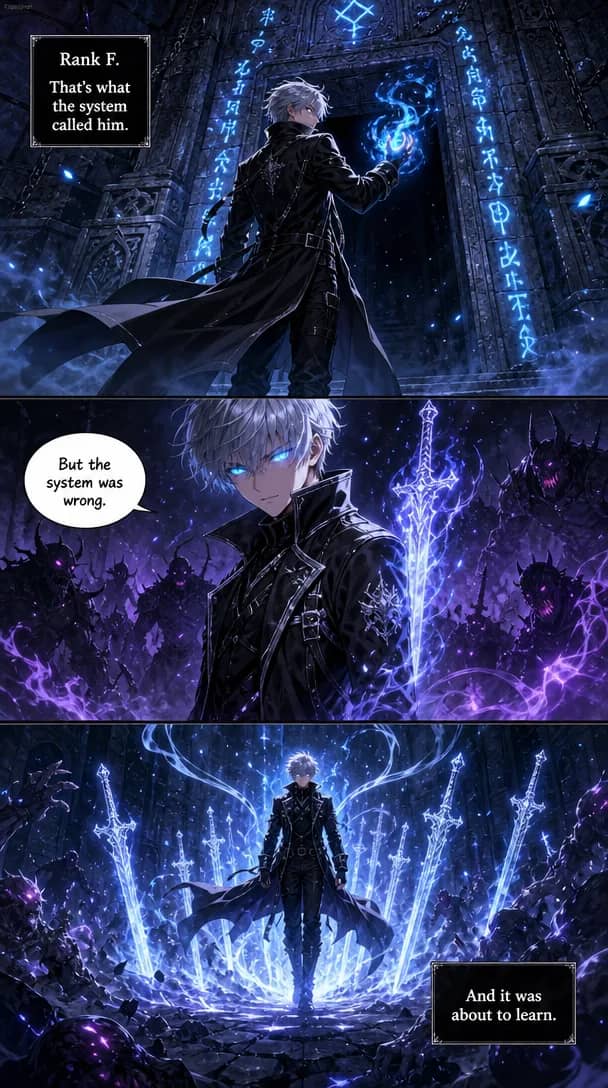
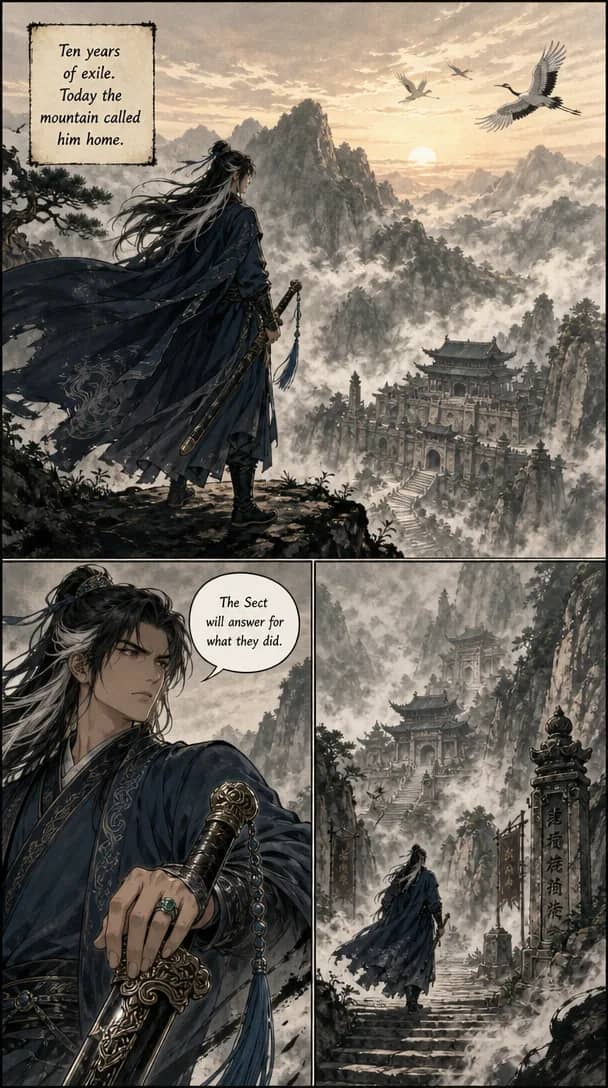
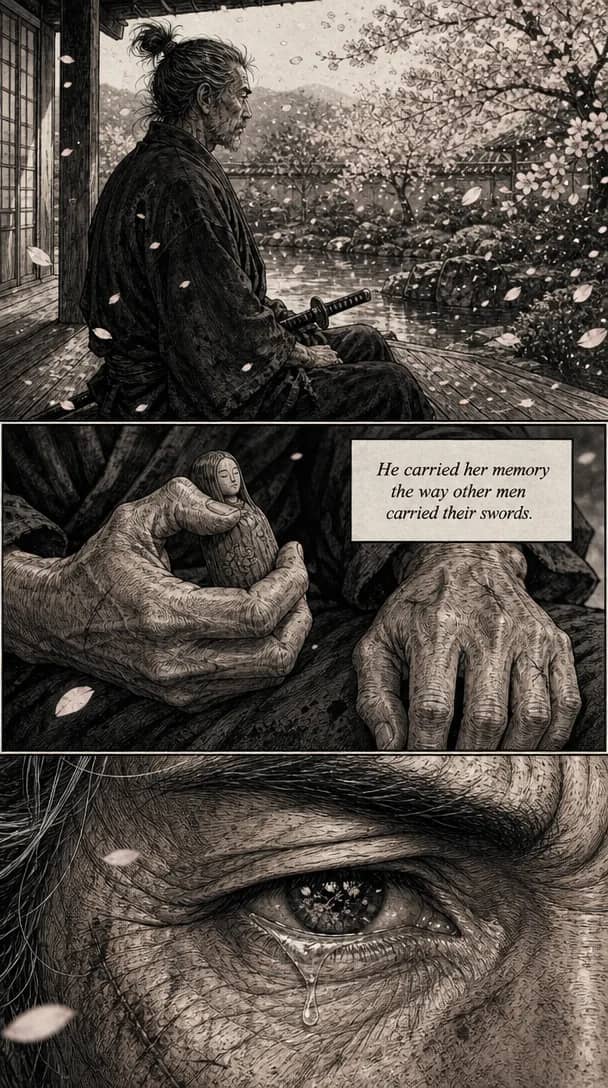
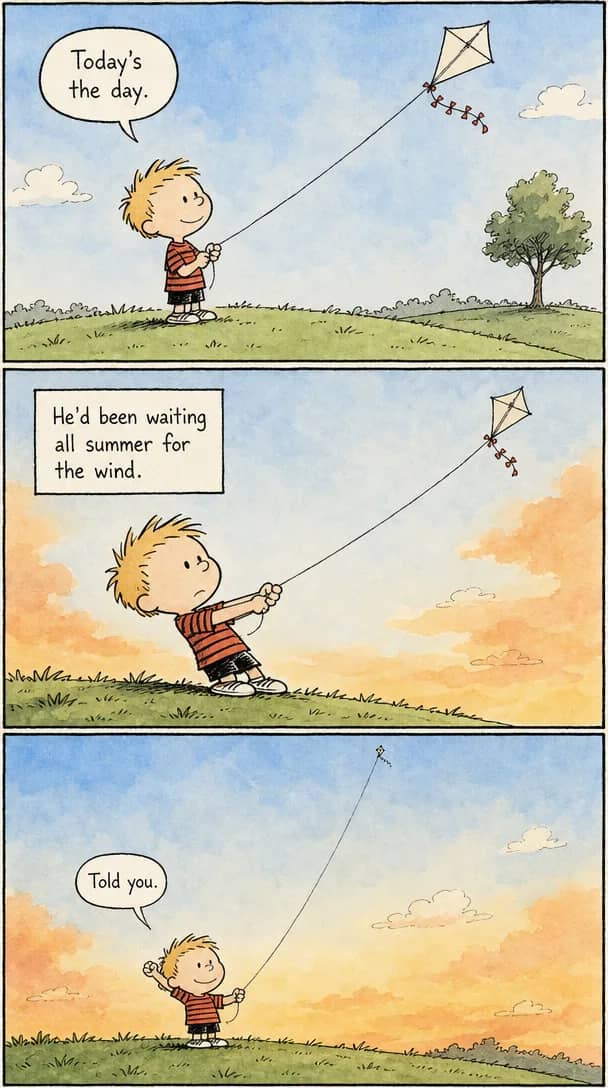
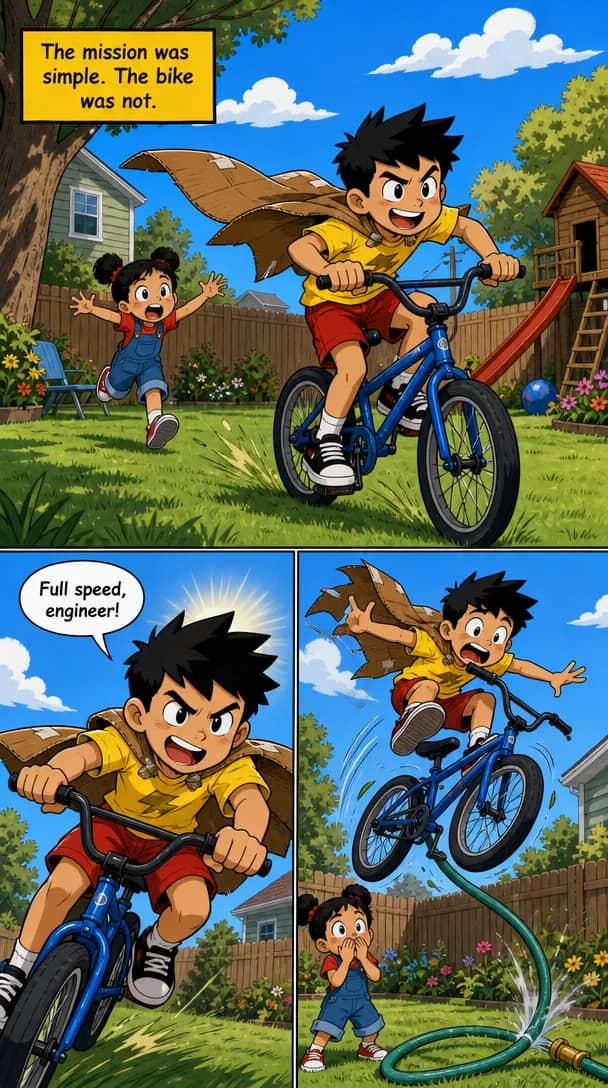
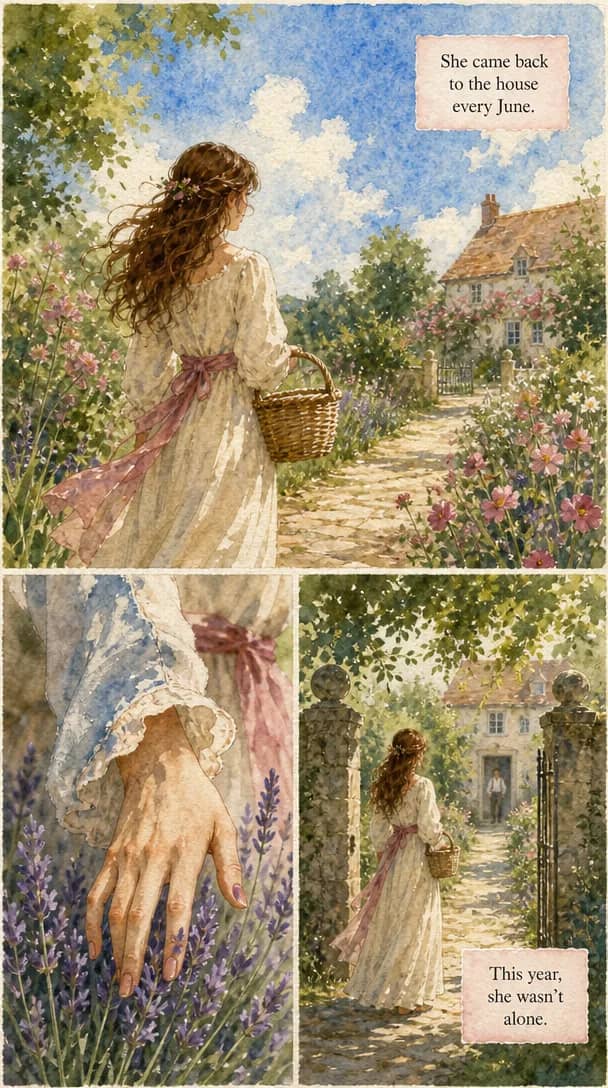
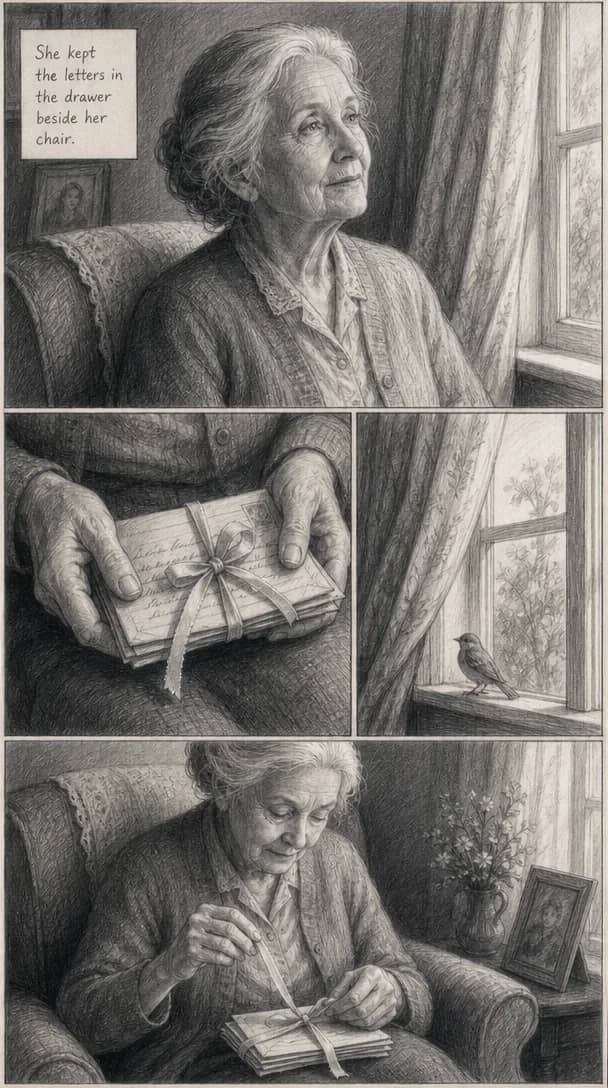
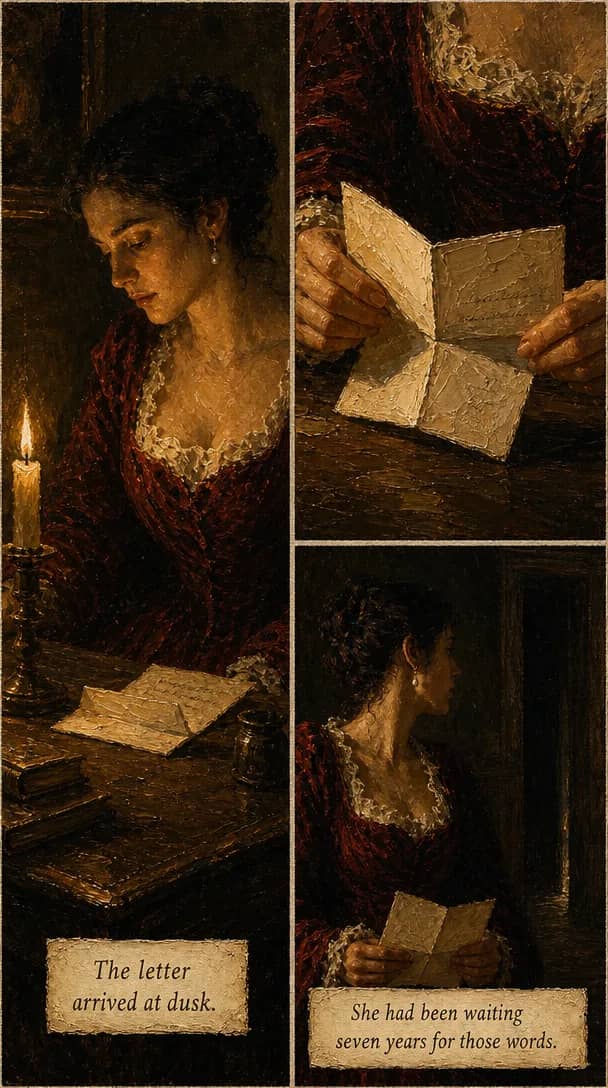
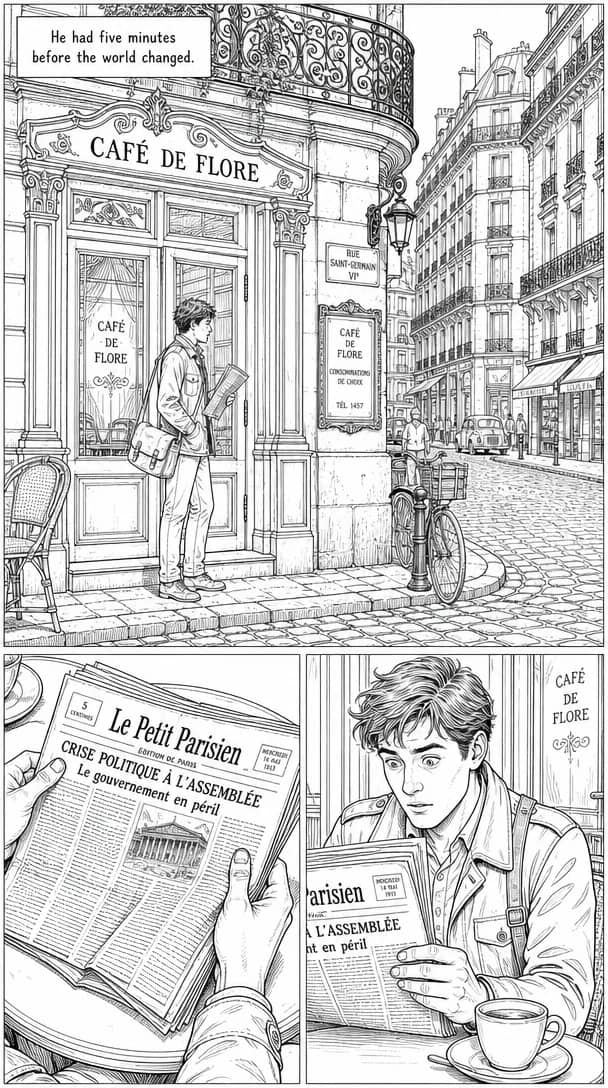

The first one is free and does not need an account. Write a story, pick a style, and you get your cover and first page — no sign-up, no card, about two to three minutes. The free preview takes two characters; a full story takes six.
Coins are spent on generation, so what a plan buys depends on what you make — a redrawn page costs 100. Cancel anytime. Full pricing, with coin packs.
Make your first comic
this week.
Your cover and first page are free, with no account and no card. Keep going when you like what you see — plans from $9.99. Cancel anytime.
Start your first comic